Comparing a Lexus hybrid vs. plug-in hybrid means understanding how each powertrain combines gasoline and electric power. Conventional Lexus hybrids recharge their batteries while driving, while plug-in hybrids offer additional electric-only range through external charging. Both provide the convenience of gasoline refueling, but their differences can influence your daily driving experience. Lexus of Jacksonville explains how to choose the right option for your lifestyle.
Lexus Hybrid Models
Conventional Lexus hybrids combine a gasoline engine with one or more electric motors to improve efficiency. During braking and deceleration, regenerative braking captures energy that would otherwise be lost as heat and stores it in the hybrid battery. The gasoline engine can also help recharge the battery, so there’s no need to plug in.
Models such as the Lexus NX 350h and Lexus RX 350h automatically adjust their use of gasoline and electric power while driving. This makes conventional hybrids appealing to drivers who want improved fuel efficiency without changing their refueling habits.
Lexus Plug-In Hybrid Models
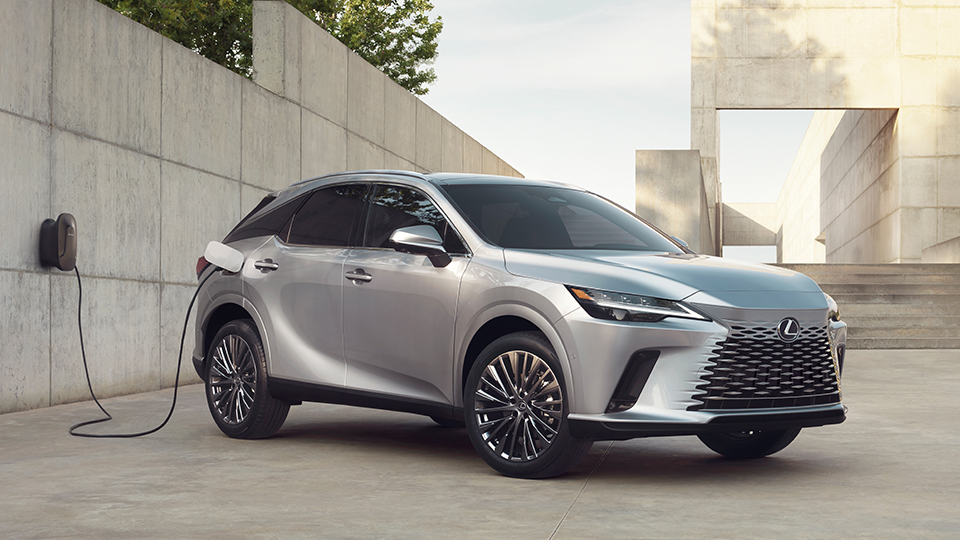
Lexus plug-in hybrids feature larger batteries that can be recharged using an external power source. Models such as the Lexus NX 450h+ and Lexus RX 450h+ can travel on electric power alone for shorter trips, helping reduce gasoline consumption when charged regularly.
For example, the 2026 Lexus NX 450h+ offers an EPA-estimated 37 miles of electric driving range. You can recharge a Lexus plug-in hybrid using a compatible 120-volt household outlet or a 240-volt Level 2 charging connection. When the usable electric-only range is depleted, the vehicle can continue operating as a conventional hybrid, making longer trips convenient without relying on charging stations.
Which Lexus Hybrid Is Right for You?
Your daily mileage, charging access, and budget can help determine which powertrain makes the most sense. A conventional Lexus hybrid is a convenient option if you frequently take longer trips, park somewhere without charging access, or simply prefer traditional gasoline refueling.
A Lexus plug-in hybrid may be the better fit if you can charge regularly at home or work and your typical commute falls within its electric-only range. Although plug-in hybrids generally have higher purchase prices, frequent charging can help reduce gasoline consumption. Both options offer the versatility of a gasoline engine for longer journeys.
What About Maintenance?
Both Lexus hybrid and plug-in hybrid vehicles require routine maintenance, including engine oil changes, tire care, brake inspections, and other manufacturer-recommended services. Regenerative braking can help reduce wear on conventional brake components, although regular inspections remain important.
Plug-in hybrids also have charging equipment and larger batteries, but their specific service requirements depend on the model. Following your Lexus maintenance schedule helps keep either powertrain operating as intended.
Compare Lexus Hybrid vs. Plug-In Hybrid Models in Jacksonville, FL
A conventional Lexus hybrid offers electrified efficiency without plugging in, while a Lexus plug-in hybrid adds the convenience of electric-only driving for shorter trips. Both can be excellent choices depending on your commute, charging access, and preferences. Visit Lexus of Jacksonville to explore available models, compare their features, and learn more about your options.